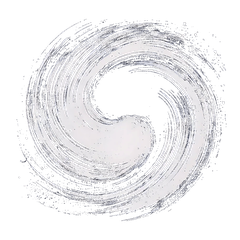


Yin and Yang: The Dance of Opposites
Yin and Yang is perhaps the most recognized symbol of Eastern philosophy worldwide, yet it is also one of the most misunderstood. Far from a simple concept of "good versus bad" or "light versus dark," Yin Yang represents the fundamental truth that all things exist in dynamic relationship with their opposite, and that balance between these forces is the key to harmony, health, and fulfillment.
What Yin and Yang Actually Mean
Yang represents the active, bright, warm, and expansive qualities of existence. Sunlight, movement, expression, heat, and outward energy are all Yang. Yin represents the receptive, dark, cool, and contractive qualities. Moonlight, stillness, reflection, coldness, and inward energy are all Yin.
The crucial insight is that neither Yin nor Yang is superior. They are interdependent. Day needs night. Activity needs rest. Speaking needs listening. Every Yang quality contains the seed of Yin within it, and every Yin quality contains the seed of Yang. This is why the classic symbol shows a white dot within the dark half and a dark dot within the light half.
Yin Yang in Your Body and Health
Traditional Chinese Medicine views all illness as an imbalance of Yin and Yang. Too much Yang manifests as inflammation, fever, restlessness, and agitation. Too much Yin manifests as coldness, fatigue, stagnation, and depression. Health is not the absence of disease; it is the presence of balance.
This framework offers practical guidance. If you feel constantly overheated, anxious, or wired, your Yang is excessive and you need cooling, calming practices. If you feel chronically tired, cold, or unmotivated, your Yin is excessive and you need warming, activating practices. The Five Elements in your birth chart reveal your natural Yin Yang tendency, making it easier to identify where imbalance is most likely to occur.
Yin Yang in Relationships
Healthy relationships require a dynamic balance of Yin and Yang energy. One partner leading while the other supports, then switching roles as circumstances change. Problems arise when one person is always Yang (controlling, initiating, demanding) or always Yin (passive, accommodating, withdrawing). The healthiest partnerships allow both people to express both energies freely.
Finding Your Balance
Your elemental birth chart reveals your inherent Yin Yang constitution. Some people are naturally more Yang, thriving on action and external engagement. Others are naturally more Yin, finding strength in reflection and inner cultivation. Neither is wrong, but knowing your tendency helps you consciously cultivate the complementary energy you need.
Discover your personal Yin Yang balance through your elemental profile, and learn how to work with your natural energy rather than against it. For daily guidance on balancing your energy, check today's reading.
Find Your Yin Yang Balance
Are you naturally more Yin or Yang? Your birth chart holds the answer. Elemental Astro reveals your energetic constitution and guides you toward greater balance in every area of life. Explore Your Energy


